
Table of Contents
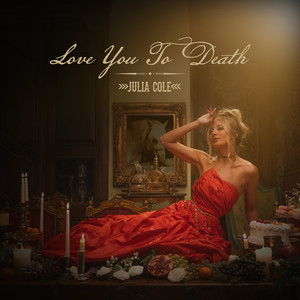
ToggleJulia Cole Love You To Death Review: A Career-Defining Moment
Country music has always thrived on authenticity, vulnerability, and storytelling. Few artists in today’s independent country scene understand that better than Julia Cole. With the release of Love You To Death, Cole delivers a deeply personal collection of songs that transforms heartbreak, healing, resilience, and empowerment into one cohesive artistic statement.
Released on May 22, 2026, the 14-track album arrives at a pivotal point in Cole’s career. After years of building a fiercely loyal fanbase through relentless touring, social media engagement, and independent releases, she finally presents a full-length project that feels like the culmination of everything she has been working toward. The album was written alongside collaborators including Andrew Beason, Cole Miracle, Danielle Blakey, Willie Morrison, Trent Wayne, and Canaan Smith, while production duties were shared by Josh Ronen and Cole herself.
What immediately stands out about Love You To Death is its emotional honesty. Rather than hiding behind polished country-pop clichés, Cole leans directly into difficult experiences and uncomfortable truths. Much of the album was inspired by a painful period in her life that included a called-off engagement and a profound season of personal reflection. Cole has openly described the project as part of her healing process, transforming loss into a roadmap for growth and empowerment.
From a listener’s perspective, that vulnerability becomes the album’s greatest strength. Every track feels connected by a central theme: the realization that heartbreak does not have to define a person’s future. Instead, it can become the catalyst for reinvention.
Fans who have followed Cole since her early releases will hear familiar elements throughout the record. Her Texas roots remain intact. The blend of contemporary country, pop influences, and singer-songwriter intimacy is still present. Yet there is a newfound confidence here that elevates the music beyond previous releases.
The result is an album that feels both intensely personal and universally relatable. Whether listeners are recovering from heartbreak, celebrating personal victories, or simply looking for music that feels genuine, Love You To Death offers something meaningful.
Songwriting That Turns Pain Into Purpose
The strongest aspect of Love You To Death is undoubtedly the songwriting.
Many modern country albums attempt to balance commercial appeal with emotional substance, but few manage the balance as effectively as Julia Cole does here. Instead of writing songs that simply describe heartbreak, she explores what happens after the heartbreak. That distinction matters.
Throughout the album, Cole consistently shifts the narrative away from victimhood and toward self-discovery. Her lyrics often acknowledge pain without allowing it to become the final chapter of the story. This creates an emotional progression that makes the album feel less like a collection of songs and more like a journey.
Tracks such as “At My Wedding” stand out because they tap into universal fears about expectations, relationships, and future dreams. Rather than relying on vague emotional language, Cole writes with specificity. Listeners can visualize the moments she describes, which strengthens the emotional connection.
Equally impressive is her ability to write from a perspective that feels conversational. Many songs sound less like formal compositions and more like conversations with a trusted friend. This approach aligns perfectly with her “Sisterhood Country” philosophy—a movement she describes as creating music that supports listeners through life’s highs and lows.
As a songwriter, Cole shows remarkable growth throughout the album. Earlier releases often showcased her talent for catchy hooks and relatable themes. Here, she demonstrates a greater willingness to embrace complexity and emotional nuance.
The songwriting also benefits from restraint. Rather than overexplaining every feeling, Cole leaves space for listeners to insert their own experiences into the songs. That flexibility allows the material to resonate across a wider audience.
For country music fans who value storytelling above all else, Love You To Death succeeds because it never sacrifices authenticity for commercial appeal. The songs feel lived-in, honest, and earned.

Production That Balances Modern Country and Emotional Intimacy
Production can make or break an emotionally driven album, and Love You To Death benefits from a careful balance between polish and vulnerability.
Produced by Josh Ronen alongside Julia Cole, the record avoids many of the overproduced tendencies that sometimes plague contemporary country releases. Instead, the production serves the songs rather than overwhelming them.
Acoustic instruments remain central throughout the album, providing warmth and familiarity. Guitars frequently anchor the arrangements, while subtle layers of percussion and ambient textures add depth without distracting from the vocals.
From a musician’s perspective, one of the most impressive aspects of the production is how dynamic it feels. Softer moments are allowed to remain soft. Emotional peaks are given room to breathe. This dynamic range helps preserve the authenticity of the performances.
Vocally, Cole sounds more confident than ever. Her delivery carries a maturity that reflects the subject matter. Rather than chasing vocal theatrics, she focuses on emotional communication. That decision works in her favor because the sincerity of her performance becomes the focal point.
Several tracks also showcase tasteful contemporary influences. Pop production elements occasionally appear, but they never pull the album away from its country foundation. Instead, they help broaden its appeal while maintaining genre credibility.
The mixing deserves praise as well. Vocals consistently sit at the center of the sonic landscape, ensuring that the lyrics remain the priority. Given the storytelling nature of the record, that choice feels entirely appropriate.
Perhaps most importantly, the production reflects the album’s emotional arc. As the songs move from heartbreak toward healing, the arrangements often become brighter and more expansive. It is a subtle technique, but it reinforces the narrative progression of the project.
The end result is a record that sounds contemporary without feeling trendy. That distinction will likely help Love You To Death age better than many of its peers.
Standout Tracks and Defining Moments
Every great album contains songs that define its identity, and Love You To Death offers several memorable highlights.
“Day Late & A Buck Short” emerges as one of the album’s strongest tracks. Already gaining attention through country radio, the song captures much of what makes Cole such a compelling artist. The combination of relatable storytelling, strong melodic structure, and emotional authenticity creates a track that feels equally suited for radio playlists and personal reflection.
“At My Wedding” serves as another defining moment. The song confronts expectations surrounding love and commitment while maintaining an emotional honesty that feels refreshingly unfiltered. Rather than offering easy answers, it explores the uncertainty that often accompanies major life decisions.
The title itself, Love You To Death, sets the tone for the entire project. It captures the album’s central tension between devotion and self-preservation. Throughout the record, Cole examines how relationships can simultaneously strengthen and challenge personal identity.
What makes the standout tracks particularly effective is their consistency. There are no obvious filler moments. Even songs that may not emerge as commercial singles contribute meaningfully to the album’s narrative.
Another notable aspect is how the sequencing supports the listening experience. The songs feel intentionally arranged to guide listeners through various emotional stages. Early tracks often emphasize heartbreak and uncertainty, while later moments focus more on resilience, empowerment, and growth.
Listeners who invest time in the complete album will likely discover different favorite songs depending on their own experiences. That versatility speaks to the strength of the songwriting.
Rather than relying on one or two major singles, Love You To Death succeeds because it functions as a complete album experience—a quality that has become increasingly rare in the streaming era.
Why Fans Will Connect Deeply With This Album
One of Julia Cole’s greatest strengths has always been her connection with fans.
Over the years, she has built a community that extends beyond music. Her audience—the #ColeTeam—often views her less as a distant celebrity and more as a trusted voice navigating similar life challenges. That connection becomes especially important on Love You To Death.
The album resonates because it addresses experiences that many people face but few discuss openly. Heartbreak, disappointment, self-doubt, and personal reinvention are universal themes. Cole approaches them with empathy rather than judgment.
There is also a notable emphasis on female empowerment throughout the project. While the songs remain accessible to all listeners, they frequently celebrate friendship, resilience, and community support. This aligns naturally with Cole’s broader “Sisterhood Country” vision.
Importantly, the album never feels preachy. Rather than telling listeners how they should feel, Cole simply shares her own experiences and allows the audience to draw their own conclusions.
For longtime fans, the record offers a deeper understanding of who she is as both an artist and a person. For new listeners, it provides an accessible entry point into her catalog.
In an era where many artists carefully curate every aspect of their public image, Cole’s willingness to embrace vulnerability feels refreshing. That authenticity creates trust, and trust creates lasting fan relationships.
It is easy to imagine many listeners finding comfort in these songs during difficult moments. That emotional utility often separates good albums from memorable ones.
Love You To Death is memorable because it makes listeners feel understood.
Where This Album Fits in Julia Cole’s Career
Career-defining albums often arrive when an artist fully embraces their identity.
For Julia Cole, Love You To Death feels like that moment.
Before this release, she had already established herself as one of independent country music’s most promising voices. With hundreds of millions of streams, a rapidly growing audience, and touring experience alongside major country acts, she possessed all the necessary ingredients for success.
What she needed was a project that fully captured her artistic vision.
This album accomplishes exactly that.
Rather than chasing trends, Cole doubles down on the qualities that made fans connect with her in the first place: authenticity, vulnerability, relatability, and strong songwriting. At the same time, she expands her artistic range by exploring deeper emotional territory.
The album also positions her for future growth. Because the project feels so personal, it establishes a stronger artistic identity moving forward. Listeners now have a clearer understanding of what Julia Cole represents as an artist.
That identity is increasingly valuable in today’s crowded music landscape.
Many artists spend years searching for a defining voice. On Love You To Death, Julia Cole sounds like she has found hers.
From a career perspective, this may ultimately be remembered as the album that elevated her from rising artist to established country music force.
Final Verdict: A Powerful, Honest, and Necessary Album
Love You To Death is more than just another country album release.
It is a statement of resilience.
Through 14 thoughtfully crafted songs, Julia Cole transforms personal heartbreak into a message of empowerment and hope. The songwriting is authentic, the production is tasteful, the performances are compelling, and the emotional impact is undeniable.
What makes the album particularly successful is its refusal to settle for easy answers. Cole acknowledges pain without glorifying it. She embraces vulnerability without becoming consumed by it. Most importantly, she reminds listeners that healing is possible even after life’s most difficult moments.
For fans of modern country music, singer-songwriter storytelling, and emotionally driven albums, Love You To Death deserves attention. It represents the strongest and most complete artistic statement of Julia Cole’s career to date.
Rating: 9/10
Strengths:
- Exceptional songwriting
- Authentic emotional storytelling
- Strong vocal performances
- Cohesive album narrative
- Memorable standout tracks
Minor Weaknesses:
- Some production choices play it safe
- A few tracks feel more introspective than commercially immediate
Even with those minor criticisms, Love You To Death stands as one of the most compelling independent country releases of 2026 and a major milestone in Julia Cole’s artistic evolution.
Love You To Death (Deluxe): Five New Songs and Our Updated Review
Deluxe update — October 12, 2026. The original review above, including its 9/10 rating, covers Julia Cole’s 14-track May release and remains intact. Love You To Death (Deluxe), released October 9, 2026, expands that album to 19 tracks. The five additions occupy positions 15–19, following “Spicy,” rather than interrupting the original sequence. Cole’s official website announces the October 9 deluxe release; MusicRow’s release-day report supplies the complete track list.
Review approach: This new section combines verified release information, artist commentary, official lyric material and attributed music criticism. It is a source-based assessment of the additions, not a claim that we have completed a direct listening session with the entire deluxe album. Musical judgments reported by other writers are identified below; our sequencing and thematic conclusions are editorial interpretation.
What the deluxe edition adds to the original album
The important distinction is between five tracks newly added to the album and five recordings all debuting on October 9. “Loving Someone Like That” appeared as a single in July, while Apple Music lists “Loved One” as a September 18 single. The deluxe brings that material into the album’s wider story alongside a Shania Twain cover, a revised father-daughter song and “Pushing Daisies.” That mixture makes this an expanded portrait of Cole’s album era rather than a second album disguised as bonus material.
In the October 2 announcement, Cole described wanting to continue the project’s account of everyday emotional highs and lows. Read in that light, the additions explore different responses to damaged trust: recognizing a destructive relationship, accepting reassurance, finding release with another woman and imagining a happier family milestone. Our original review emphasized turning pain into purpose. These extra tracks give that idea more specific situations to work through.
“Pushing Daisies”: recognizing the relationship you cannot quite leave
The announcement frames “Pushing Daisies” around unstable affection and the difficulty of walking away from an unhealthy situationship. Cole’s accompanying advice was to leave a relationship that feels like the song. That context matters: the title’s darker implication should not distract from its documented focus on romantic uncertainty.
As an addition to Love You To Death, its significance is the space it gives to hesitation. Healing songs can make a clean break appear easy once the chorus arrives. This premise admits that recognizing the problem and acting on it are separate steps. Placed immediately after the original album, it opens the new chapter with unfinished emotional business. It therefore extends the tension between devotion and self-preservation identified in our first review.
The announced writing credit names Julia Cole, Autumn Buysse, Austin Nivarel and Andrew Bloom. We have not independently established every instrumental detail of the recording, so we are keeping the assessment focused on its documented premise and position in the expanded sequence.
“Loving Someone Like That” with BRELAND: heartbreak becomes a shared conversation
The official lyric video traces a relationship from domestic closeness and imagined commitment into isolation, recurring apologies and conflict. Those concrete situations give the song a clear connection to the original record’s concern with rebuilding identity after romantic disappointment. The loss is not simply a partner; it is the future that seemed to come with that partner.
The duet also provides the clearest documented musical expansion among the bonus tracks. In his July 23 MusicRow review, Robert K. Oermann praised the vocal blend and highlighted BRELAND’s harmonies alongside Cole’s soprano. The Music Universe’s single announcement described soulful singing and a beat-driven setting. These are attributed observations, rather than fresh listening claims from this update.
Our interpretation is that the shared performance makes the heartbreak feel less solitary. Cole’s Sisterhood Country identity already depends on support and recognition; introducing another voice offers a different way to dramatize that connection. For listeners deciding where to begin with the additional material, this is the strongest recommendation supported by independent musical criticism.
Songwriting: Julia Cole, Daniel Breland and Mason Sacks. Although the deluxe press track list prints “Mason Stacks,” both the original single announcement and Oermann’s credits identify Mason Sacks. MusicRow credits Josh Ronen and Julia Cole as the single’s producers.
Watch the official lyric video:
“Loved One”: allowing hope back into the story
“Loved One” was already part of Cole’s rollout before the deluxe arrived: Apple Music’s artist listing dates the single to September 18. Its official video is available below. A release-day account by Guillermo Ravagni describes a church-set story in which an older woman reassures a heartbroken younger woman that faithful love remains possible, drawing on her own experience.
That reported narrative offers an especially useful counterweight to the preceding two additions. The answer to damaged trust becomes another person’s example of love rather than a demand to feel better immediately. In the context of our original review, it gives the album’s movement toward hope a human messenger. This makes “Loved One” the thematic starting point we would recommend to readers drawn to Cole’s storytelling about reassurance and recovery.
The deluxe announcement credits Julia Cole, Andrew Bloom and Fred Wilhelm as writers. Our discussion uses the reported narrative, not the inaccurate songwriting attribution in that separate video article.
“Man! I Feel Like A Woman” with Alli Walker: a place for celebration
This is a Shania Twain cover written by Twain and Robert John “Mutt” Lange, performed with Alli Walker. It should be understood as an interpretive collaboration, rather than an original Julia Cole composition. Its presence also gives a recognizable country-pop reference point to a project rooted in Cole’s own experiences.
The editorial value of the placement is contrast. After the uncertainty and consolation of the first three additions, a familiar celebration of female freedom changes the emotional task of the sequence. The listener is invited to participate in a shared anthem instead of staying inside one breakup story. That fits the friendship and solidarity already discussed in our original review. Whether this particular arrangement improves on other versions requires direct comparison; the verified inclusion alone does not justify claiming that it does.
“Daddy Daughter Dance (Wedding Version)”: returning to a family milestone
The wedding version closes the deluxe and revisits a song already present as track seven on the original album. The release announcement says Cole created this rendition following extensive requests from fans seeking a version for daughters who have found their lifelong partner. It credits Julia Cole, Rachel Purcell and Austin Taylor Smith as writers.
Its strongest contribution is that return to an existing emotional landmark. Listeners can connect the original recording and the new wedding context within the same album. Ending here also shifts the expanded edition toward family and the possibility of a future celebration. The original album does not have to be rewritten for its story to continue. This is the addition with the clearest practical appeal for listeners seeking a father-daughter wedding song.
Songwriting and production: the five additional tracks
- 15. Pushing Daisies: Julia Cole, Autumn Buysse, Austin Nivarel, Andrew Bloom.
- 16. Loving Someone Like That (with BRELAND): Julia Cole, Daniel Breland, Mason Sacks.
- 17. Loved One: Julia Cole, Andrew Bloom, Fred Wilhelm.
- 18. Man! I Feel Like A Woman (with Alli Walker): Shania Twain, Robert John “Mutt” Lange.
- 19. Daddy Daughter Dance (Wedding Version): Julia Cole, Rachel Purcell, Austin Taylor Smith.
MusicRow’s deluxe announcement gives Josh Ronen and Julia Cole the album’s production credit, with David Fanning and Ronen credited separately for the original track “What Could Go Wrong.” The published information supports continuity with the original production team. It does not supply a complete session-musician, engineering or mixing breakdown for every bonus recording, and we are not filling those gaps by assumption.
Does the deluxe improve the complete album experience?
On the evidence available, the deluxe is worthwhile as an extension of the original’s emotional range. Its most persuasive feature is the sequence: unstable romance leads into a duet about disappointed trust, reassurance, shared celebration and a revisited family occasion. That reading is our interpretation of the verified themes and running order, rather than a report of what Cole intended every transition to mean.
There is a tradeoff. A familiar cover and a wedding variation give the bonus chapter a different character from five entirely new original compositions. Listeners wanting only newly written breakup songs may find the additions less uniform. Existing fans who value Cole’s collaborations, supportive storytelling and family-centered material have stronger reasons to return. The original 14-track sequence remains available within the expanded edition, so its established arc can still be heard on its own.
Updated assessment: “Loving Someone Like That” is the clearest musically supported recommendation; “Loved One” supplies the most promising narrative contrast; the wedding version offers the most specific new use for an existing favorite. Together, the additions broaden the album’s resources for listeners moving through different stages of love and recovery. We retain the original review and its 9/10 original-album rating above, without assigning a new numerical score to recordings we have not assessed through a complete listening session.
For the wider career story, read our Julia Cole artist biography. Find the expanded release through Cole’s official deluxe album listening link.
Great content! Keep up the good work!