
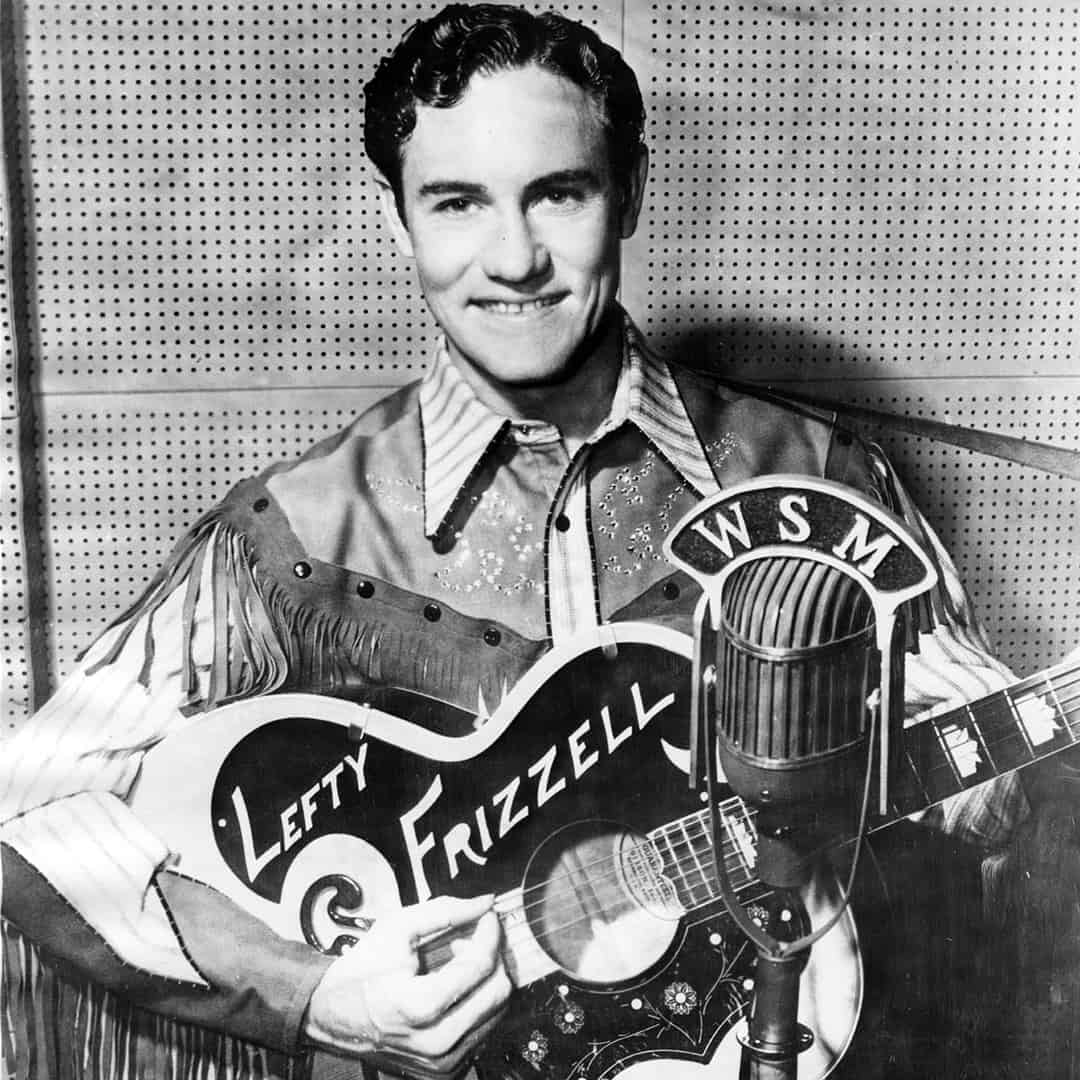
Lefty Frizzell was one of the most influential singers and songwriters in country music history. Born William Orville Frizzell on March 31, 1928, he emerged from the Texas honky-tonk circuit in 1950 and almost immediately became a major star. His warm baritone, elastic phrasing, and ability to bend a lyric around the melody changed how country singers approached a song.
His commercial peak was brief but extraordinary. Songs including “If You’ve Got the Money I’ve Got the Time,” “I Love You a Thousand Ways,” “Always Late (With Your Kisses),” and “Saginaw, Michigan” became country standards. More important, his vocal influence carried forward through Merle Haggard, George Jones, Roy Orbison, George Strait, Keith Whitley, Randy Travis, and generations of traditional country performers.
This biography explores Lefty Frizzell’s life, breakthrough, greatest recordings, distinctive singing style, family, honors, and enduring place in the Frizzell family’s country music heritage.
Lefty Frizzell Biography: Quick Facts
- Full name: William Orville Frizzell
- Born: March 31, 1928, in Corsicana, Texas
- Died: July 19, 1975, in Nashville, Tennessee
- Genres: Country, honky-tonk, traditional country
- Primary labels: Columbia Records and ABC Records
- Signature songs: “If You’ve Got the Money I’ve Got the Time,” “Always Late (With Your Kisses),” “The Long Black Veil,” and “Saginaw, Michigan”
- Country Music Hall of Fame: Inducted in 1982
Early Life in Texas, Arkansas, and Louisiana
William Orville Frizzell was born in Corsicana, Texas, to an oilfield family. His childhood unfolded around the oil towns of Arkansas, East Texas, and Louisiana. Music offered both escape and ambition. Captivated by Jimmie Rodgers and his famous yodeling style, Frizzell decided by age twelve that he wanted to become a professional singer.
According to the Country Music Hall of Fame and Museum, Frizzell received the nickname “Lefty” after striking a schoolmate with his left hand. The nickname followed him for the rest of his life and eventually became one of the most recognizable names in country music.
During World War II, the family lived in Greenville, Texas, and Lefty performed on radio station KPLT in nearby Paris. He met Alice Harper and married her in March 1945. After moving to Roswell, New Mexico, in 1946, he appeared regularly on KGFL radio and performed with the house band at the Cactus Gardens dance hall.
Jail, Songwriting, and “I Love You a Thousand Ways”
Lefty’s early adulthood included a serious and troubling episode. In July 1947 he was charged with statutory rape, convicted the following month, and served six months in county jail. The event should not be romanticized or treated merely as colorful music-industry folklore.
While incarcerated, Frizzell wrote songs to his wife Alice. One became “I Love You a Thousand Ways,” a tender declaration that would later form one side of his breakthrough Columbia single. After his release in 1948, he attempted unsuccessfully to audition for the Louisiana Hayride, spent time in El Dorado, Arkansas, and eventually returned to the Southwest.
From the Ace of Clubs to Columbia Records
Frizzell’s decisive opportunity arrived while he was performing at the Ace of Clubs in Big Spring, Texas. In early 1950, he traveled to Dallas and visited Jim Beck’s recording studio. Beck was initially more interested in Frizzell’s unfinished song “If You’ve Got the Money I’ve Got the Time” than in signing him as a performer.
Beck recorded a demonstration and brought it to Columbia Records executive Don Law. Instead of passing the song to another artist, Law recognized the singer’s unusual voice. Frizzell signed with Columbia in June 1950 and held his first label session at Beck’s studio the next month.
Columbia paired “If You’ve Got the Money I’ve Got the Time” with “I Love You a Thousand Ways.” Both sides reached number one on the country chart. Almost overnight, Lefty moved from regional honky-tonks to national stardom.
A Historic Run of Country Hits
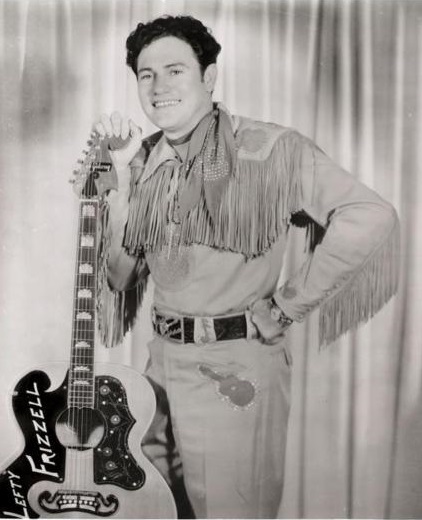
Lefty Frizzell’s arrival was not a one-record event. During roughly two years, he placed thirteen songs in the country Top Ten. In October 1951, four of his recordings occupied Billboard’s country Top Ten simultaneously—an extraordinary demonstration of his early popularity.
“Always Late (With Your Kisses)” spent twelve weeks at number one and remains perhaps the clearest example of his revolutionary vocal technique. Other major recordings from this period included “Mom and Dad’s Waltz,” “I Want to Be with You Always,” “Look What Thoughts Will Do,” and “Travelin’ Blues.”
Frizzell toured with Hank Williams in April 1951 and joined the Grand Ole Opry that July. His success helped move honky-tonk singing toward a more intimate, conversational sound, even as personal problems and conflicting business agreements complicated his career.
Listen to “Always Late (With Your Kisses),” one of the clearest examples of Lefty Frizzell’s influential vocal phrasing.
What Made Lefty Frizzell’s Singing Style Revolutionary?
Lefty did not simply sing a melody exactly as written. He reshaped it. He stretched vowels across several notes, delayed phrases behind the beat, slid smoothly between pitches, and placed emotional weight on unexpected syllables. The effect was relaxed and conversational, yet technically sophisticated.
That phrasing made a lyric feel lived rather than recited. His voice could sound playful, wounded, tender, or resigned without becoming theatrical. Singers who studied Lefty learned that rhythm and pronunciation could become storytelling tools.
The Country Music Hall of Fame describes him as a supreme vocal stylist whose intimate, vowel-bending approach became embedded in the work of later performers. Merle Haggard was one of his most devoted admirers, while George Jones, Roy Orbison, George Strait, Keith Whitley, and Randy Travis all reflected elements of his approach.
Career Setbacks and the California Years
Success brought intense touring, difficult contracts, alcohol-related problems, and management disputes. A lawsuit involving manager Jack Starnes Jr. was filed in 1952 and settled out of court the following year. By 1953, Lefty’s remarkable streak of thirteen Top Ten hits had ended, although he remained a popular live performer.
A demanding 1954 tour helped finance the Frizzell family’s move to Southern California, where they eventually settled in Northridge. Lefty became a regular performer on Town Hall Party, appeared in the first country concert held at the Hollywood Bowl, and received a star on the Hollywood Walk of Fame.
His recording career nevertheless lost momentum. From early 1955 through late 1958, he did not place a song on the chart. He returned with “Cigarettes and Coffee Blues” and the original recording of “The Long Black Veil,” now regarded as one of country music’s essential story songs.
“Saginaw, Michigan” and a Late-Career Comeback
Lefty and his family moved to Nashville in 1962 and later settled in Hendersonville. In 1963 he recorded “Saginaw, Michigan,” a cleverly written story of love, class, and revenge. The single reached number one in early 1964 and earned a Grammy nomination.
It became the final number-one hit of his career, but it proved that his delivery could still connect with a new generation. The recording remains one of his most recognizable performances and an outstanding example of narrative country songwriting.
After producer Don Law retired, Columbia dropped Frizzell in 1972. ABC Records quickly signed him. Working with songwriter Sanger D. “Whitey” Shafer, Lefty recorded “That’s the Way Love Goes” and “I Never Go Around Mirrors.” Both songs became durable standards and were later associated with other major country singers.

Hear Lefty Frizzell’s chart-topping “Saginaw, Michigan.”
Lefty Frizzell’s Essential Songs
“If You’ve Got the Money I’ve Got the Time”
The 1950 breakthrough established Lefty’s humorous, easygoing honky-tonk persona while introducing his rhythmic freedom and vocal bends to a national audience.
“I Love You a Thousand Ways”
Written for his wife Alice, this number-one ballad revealed the tenderness and emotional control beneath his more playful material.
“Always Late (With Your Kisses)”
A defining performance of Lefty’s behind-the-beat phrasing, the song spent twelve weeks at number one in 1951 and became a model for generations of country vocalists.
“The Long Black Veil”
Lefty’s 1959 original recording gave the murder ballad its first major success. The song was later recorded by artists across country, folk, and rock music.
“Saginaw, Michigan”
This story song returned Lefty to number one in 1964 and earned a Grammy nomination, providing the most important commercial comeback of his later career.
“That’s the Way Love Goes” and “I Never Go Around Mirrors”
Recorded during his ABC years, these Whitey Shafer collaborations demonstrated that Lefty remained a master interpreter late in his career.
Selected Lefty Frizzell Albums
Much of Lefty’s most important early work was issued as singles, as was standard in the 1950s. The following albums provide useful entry points into different stages of his recorded career:
- Listen to Lefty (1952)
- Songs of Jimmie Rodgers (1953)
- One and Only (1959)
- The Sad Side of Love (1962)
- Saginaw, Michigan (1964)
- The Legendary Lefty Frizzell (1973)
- The Classic Style of Lefty Frizzell (1974)
- Life’s Like Poetry (1992 boxed-set retrospective)
Marriage, Children, and the Frizzell Music Family
Lefty married Alice Harper in 1945, and the couple had children. His family life was frequently strained by touring and alcoholism, but photographs and accounts from his career document the family’s presence throughout his rise and later years.
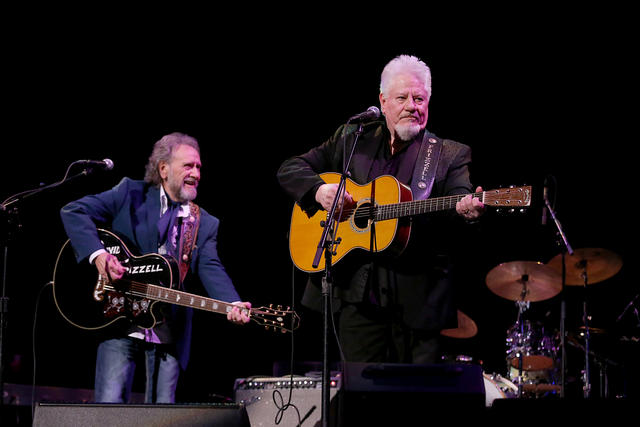
Country music also continued through Lefty’s siblings. His younger brother David Frizzell built a successful career with solo hits and recordings with Shelly West. Another younger brother, Allen Frizzell, became a singer, songwriter, and performer in his own right. Together, their stories form a remarkable multigenerational chapter in country music.
How Did Lefty Frizzell Die?
By the 1970s, years of heavy drinking and high blood pressure had damaged Lefty’s health. On July 19, 1975, he suffered a stroke and died later that day in Nashville. He was only 47 years old.
His death ended a career marked by towering artistic influence, dramatic commercial highs, difficult personal struggles, and an enduring body of recordings. The respect of fellow musicians ensured that his stature continued to grow after his death.
Awards and Hall of Fame Recognition
- Country Music Hall of Fame: Inducted in 1982.
- Nashville Songwriters Hall of Fame: Inducted in recognition of his songwriting legacy.
- Hollywood Walk of Fame: Honored with a recording star during his California years.
- Grammy recognition: “Saginaw, Michigan” received a Grammy nomination.
These honors reflect only part of Lefty’s importance. His deepest achievement lives in the sound of the singers who followed him.
Lefty Frizzell’s Influence and Legacy
Few artists have altered the basic vocabulary of country singing as profoundly as Lefty Frizzell. His chart achievements made him a star, but his phrasing made him permanent. Later singers did not merely cover his songs; they absorbed his way of shaping words, delaying time, and communicating emotion.
Merle Haggard described Lefty as uniquely important to country music, and the connection is easy to hear. George Jones brought similar elasticity and emotional depth to his phrasing. George Strait, Keith Whitley, and Randy Travis carried aspects of that tradition into later decades. Even when modern listeners do not recognize the source, they often hear techniques that Lefty helped establish.
His catalog also continues to circulate through reinterpretation. “The Long Black Veil,” “That’s the Way Love Goes,” “I Never Go Around Mirrors,” and “Always Late” have survived because their melodies, stories, and emotional architecture invite each generation to make them new.
Lefty Frizzell was more than a honky-tonk hitmaker. He was a singer’s singer, a foundational stylist, and one of the central figures in the history of traditional country music.
Frequently Asked Questions About Lefty Frizzell
What was Lefty Frizzell’s real name?
His full name was William Orville Frizzell.
When and where was Lefty Frizzell born?
He was born March 31, 1928, in Corsicana, Texas.
Why was he called Lefty?
The Country Music Hall of Fame reports that he received the nickname after hitting a schoolmate with his left hand.
What was Lefty Frizzell’s biggest song?
Several songs can make that claim. “If You’ve Got the Money I’ve Got the Time” launched his national career, “Always Late (With Your Kisses)” is a defining display of his vocal style, and “Saginaw, Michigan” became his final number-one hit.
Was David Frizzell Lefty Frizzell’s son?
No. David Frizzell was Lefty’s younger brother. David later became a successful country singer both as a solo performer and in duets with Shelly West.
When did Lefty Frizzell die?
He died on July 19, 1975, after suffering a stroke. He was 47.
When was Lefty Frizzell inducted into the Country Music Hall of Fame?
He was inducted posthumously in 1982.