
David Frizzell Biography: Early Life and Family Background
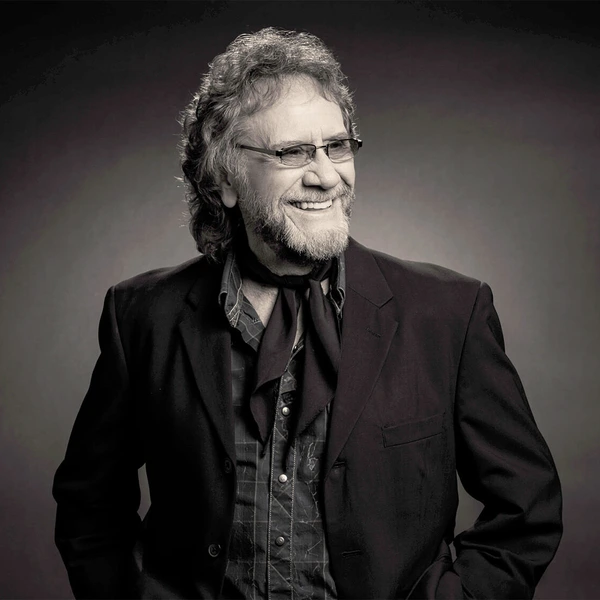
Best known for classic country songs like “You’re the Reason God Made Oklahoma” and “I’m Gonna Hire a Wino to Decorate Our Home,” David Frizzell became one of the recognizable country voices of the early 1980s. Yet his journey to success was anything but easy. Unlike artists who explode onto the scene overnight, Frizzell spent decades fighting for recognition before finally earning his place in country music history.
David Frizzell was born on September 26, 1941, in the small town of El Dorado, Arkansas, into a deeply musical family. Music was not just entertainment in the Frizzell household—it was part of everyday life. David was surrounded by singing, songwriting, and musicianship from the beginning.
He was the youngest of several siblings, but growing up as the younger brother of Lefty Frizzell came with both opportunities and challenges. Lefty, who was already becoming one of country music’s most influential vocalists, cast a long shadow over the family name.
At the time David was growing up, country music was changing rapidly. Honky-tonk sounds dominated jukeboxes, radio stations, and dance halls across the South. Legends such as Hank Williams, Ernest Tubb, and Lefty himself were redefining what country music could sound like.
For David, this environment created something powerful: a natural passion for performing.
Growing Up in the Shadow of Lefty Frizzell
Being the younger brother of one of country music’s most important artists was both inspiring and intimidating.
By the 1950s, Lefty Frizzell had become one of the biggest names in country music thanks to classics such as “If You’ve Got the Money I’ve Got the Time,” “Always Late (With Your Kisses),” and “Long Black Veil.” Lefty’s distinctive vocal phrasing changed country music forever and influenced generations of singers, including artists like Merle Haggard, George Jones, and Willie Nelson.
David admired his older brother deeply, but admiration came with pressure.
Imagine trying to build a music career while constantly hearing comparisons to one of the greatest singers in country history. Fans, radio executives, and record labels often expected David to either sound exactly like Lefty or somehow surpass him—an almost impossible task.
Still, instead of running from the comparison, David embraced his family roots.
He admired Lefty’s ability to emotionally connect with listeners through heartfelt storytelling and smooth vocal delivery. While David developed his own sound over time, traces of traditional honky-tonk influences always remained in his music.
The Frizzell family itself was extremely musical. Music surrounded David constantly, helping shape his identity from an early age. It quickly became obvious that he wanted to pursue the same career path as his older brother.
Touring as a Teenager
Unlike many aspiring musicians who begin playing bars in their hometowns, David Frizzell got an unusual education in the music business: he toured with a star.
As a teenager in the 1950s, David joined Lefty Frizzell on the road. This experience gave him something few young artists receive—front-row exposure to the realities of professional country music.
Touring life taught him several important lessons:
- How live performances connect emotionally with audiences
- The importance of stage presence
- What made country crowds respond to songs
- How the music business actually operated behind the scenes
Watching Lefty perform night after night helped David understand that country music was about authenticity. Fans could instantly tell whether an artist truly meant what they were singing.
Touring also exposed him to the highs and lows of fame.
The road life was demanding. Long drives, difficult schedules, inconsistent pay, and the pressures of performing wore heavily on musicians. David saw firsthand that success in country music was rarely glamorous behind the curtain.
Still, those years only strengthened his desire to build a career of his own.
Early Career Struggles in the 1960s
By the early 1960s, David Frizzell officially launched his solo career.
Like many artists of the era, he signed recording deals and began releasing music, hoping for a breakthrough hit. However, success did not come easily.
Country music was highly competitive during this period. Artists such as Buck Owens, Johnny Cash, Loretta Lynn, and George Jones dominated radio stations.
David released several singles throughout the decade, but most struggled to gain major traction.
One challenge was simple: comparisons to Lefty never stopped.
Some fans viewed David primarily as “Lefty Frizzell’s brother” instead of an artist in his own right. Others expected him to recreate Lefty’s exact vocal style, which made it difficult for David to establish an independent identity.
At times, this became frustrating.
Breaking through in country music already required talent, timing, and luck. Carrying a famous last name added another layer of expectation.
Yet David refused to give up.
Instead of walking away from music, he continued recording, performing live shows, and developing his own artistry. While success remained elusive, he slowly built industry respect through persistence.
Military Service and Time Away From Music
Like many Americans of his generation, David Frizzell eventually served in the United States Air Force.
His military service temporarily interrupted his music career, forcing him to step away from full-time performing. For many artists, a long break can permanently derail momentum.
But David never abandoned his dream.
Even during periods when music took a back seat, he stayed connected to the industry and maintained his passion for performing.
Military service also likely contributed to David’s discipline and work ethic—qualities that would later help him survive the unpredictable music business.
Unlike artists who give up after early disappointments, David stayed committed despite years of uncertainty.
This persistence would eventually pay off in a massive way.
Working in Radio and Staying Close to Country Music
Following his military years and during slower periods in his recording career, David Frizzell worked in radio broadcasting.
This often-overlooked chapter of his life proved incredibly valuable.
Working in radio gave David deeper insight into:
- What songs listeners connected with
- How country music trends evolved
- The role radio stations played in artist success
- Which songs had hit potential
In many ways, radio kept David close to country music while he continued trying to break through as a recording artist.
He also continued performing at clubs, local venues, and concerts during the 1960s and 1970s.
These years were not glamorous.
For nearly two decades, David existed in what many musicians call the “working artist” stage—making music, paying dues, and hoping for the right opportunity.
Many artists would have quit after so many years without major commercial success.
David Frizzell kept going.
The Country Music Landscape Changes in the Late 1970s
By the late 1970s, country music was evolving.
The outlaw movement led by artists like Waylon Jennings and Willie Nelson had changed the genre, while pop-country crossover success was becoming increasingly popular.
At the same time, traditional country sounds still had a loyal audience.
This changing environment unexpectedly created an opportunity for David Frizzell.
After years of trying to establish himself, he finally found the partnership that would change everything.
Partnering With Shelly West
One of the biggest turning points in David Frizzell’s career came when he teamed up with rising country singer Shelly West.
Shelly West was country music royalty herself—the daughter of legendary singer Dottie West.
Together, Frizzell and West possessed undeniable chemistry.
Their vocal styles blended naturally, balancing traditional country storytelling with emotional authenticity. Fans quickly responded to their duet performances.
At a time when country duos and partnerships remained highly popular, the pairing proved to be perfect timing.
Still, neither artist could have predicted just how massive their breakthrough would become.
“You’re the Reason God Made Oklahoma” Changes Everything
In 1981, David Frizzell and Shelly West released the duet that would define both of their careers:
“You’re the Reason God Made Oklahoma.”
The song became an instant country classic.
Built around themes of love, distance, longing, and emotional connection, the track resonated deeply with country audiences.
The duet reached No. 1 on the Billboard Hot Country Singles chart, finally giving David Frizzell the breakthrough he had spent nearly two decades chasing.
For David, the success felt especially meaningful because it came after so many years of struggle.
The song also gained national attention after being featured in the Any Which Way You Can starring Clint Eastwood.
Its appearance in the film introduced Frizzell and West to an even larger audience beyond traditional country radio.
Suddenly, David Frizzell was no longer simply “Lefty Frizzell’s younger brother.”
He was a country star in his own right.
The song’s success also earned Frizzell and West major industry recognition, including winning Vocal Duo of the Year at the Academy of Country Music Awards.
After years of uncertainty, David Frizzell had finally arrived.
David Frizzell Awards and Nominations
Although David Frizzell never accumulated the massive trophy collection of some country superstars, he earned several important honors during the peak of his career in the early 1980s. His work as both a duet partner and solo artist gained industry recognition and helped cement his place in traditional country music history.
Major ACM and CMA Honors
- ACM Vocal Duo of the Year with Shelly West — 1981 and 1982
- ACM Song of the Year — “You’re the Reason God Made Oklahoma”
- CMA Vocal Duo of the Year with Shelly West — two-time winner
These honors established Frizzell and West as one of the defining country duos of the early 1980s.
Grammy Award Nomination
The Recording Academy lists one nomination for David Frizzell: Best Country Performance by a Duo or Group with Vocal for “You’re the Reason God Made Oklahoma” with Shelly West at the 24th Annual Grammy Awards. The nomination was for the duet—not for “I’m Gonna Hire a Wino to Decorate Our Home.”
Billboard Country Chart Success
While not technically awards, chart accomplishments played a major role in David Frizzell’s legacy.
No. 1 Country Hits
- “You’re the Reason God Made Oklahoma” (with Shelly West) — No. 1 (1981)
- “I’m Gonna Hire a Wino to Decorate Our Home” — No. 1 (1982)
Top 10 Hits
- “A Texas State of Mind” — Top 10
- “Another Honky-Tonk Night on Broadway” — Top 10
- “I Just Came Here to Dance” (with Shelly West) — Top 10
These songs helped define Frizzell’s commercial peak during the early 1980s and remain fan favorites today.
David Frizzell Discography
One of the biggest strengths of David Frizzell’s catalog is its balance between traditional honky-tonk influences and early 1980s country production. Below is a cleaner, organized look at his major releases.
Studio Albums
Solo Albums
1973
- David Frizzell
1982
- The Family’s Fine, But This One’s All Mine
1983
- On My Own Again
1984
- Chip Off the Old Block
1987
- Our Best to You
1996
- Life’s Too Short
Collaborative Albums with Shelly West
With Shelly West
1981
- Carryin’ On the Family Names
1982
- The David Frizzell and Shelly West Album
The partnership between Frizzell and West produced some of the strongest duet performances in early 1980s country music.
Compilation Albums
1994
- The Best of David Frizzell and Shelly West
Various Years
- Greatest hits collections and classic country compilations
David Frizzell Hit Singles
Below are some of David Frizzell’s most recognizable songs.
Major Solo Hits
- “I’m Gonna Hire a Wino to Decorate Our Home” (1982)
- “Where Are You Spending Your Nights These Days”
- “A Million Light Years Away”
- “Lost My Baby Blues”
- “I Wish That I Could Hurt That Way Again”
Major Duets With Shelly West
- “You’re the Reason God Made Oklahoma” (1981)
- “A Texas State of Mind” (1981)
- “Another Honky-Tonk Night on Broadway” (1981)
- “I Just Came Here to Dance” (1982)
- “Silent Partners” (1983)
David Frizzell’s Musical Style
David Frizzell’s music blended several traditional country elements:
Honky-Tonk Roots
Because of his family background and connection to Lefty Frizzell, David naturally leaned toward classic honky-tonk influences.
His songs often featured:
- Steel guitar
- Traditional country instrumentation
- Storytelling lyrics
- Emotional authenticity
Humor in Country Music
Songs like “I’m Gonna Hire a Wino to Decorate Our Home” showed David’s ability to bring humor into country music without sacrificing authenticity.
This balance helped him stand apart from other artists of the time.
Traditional Country Storytelling
At his core, David Frizzell remained a storyteller.
Whether singing about heartbreak, relationships, drinking culture, or romance, his songs reflected everyday life experiences that country audiences immediately understood.
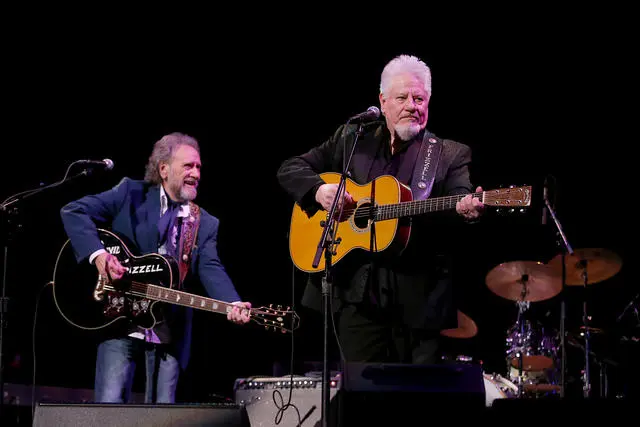
David Frizzell’s Legacy in Country Music
David Frizzell’s legacy goes beyond chart success.
His career matters because it tells a story of perseverance.
For years, he struggled to gain traction in an industry where expectations were sky high due to his famous last name. Many artists would have walked away after years without success.
David kept going.
Eventually, persistence paid off.
He found success as both a solo artist and duet partner while also helping preserve the legacy of his older brother, Lefty Frizzell.
Today, David Frizzell remains remembered for several important reasons:
- Helping define traditional country duets of the early 1980s
- Recording one of country music’s most beloved humorous songs
- Preserving Lefty Frizzell’s musical legacy
- Remaining loyal to traditional country sounds during changing musical trends
For fans of classic country music, David Frizzell represents an artist who stayed authentic.
He never fully chased trends or abandoned his roots. Instead, he leaned into storytelling, relatable themes, and traditional country instrumentation.
That authenticity is a major reason his songs still resonate decades later.
Frequently Asked Questions About David Frizzell
Who is David Frizzell?
David Frizzell is an American country music singer best known for hits like “You’re the Reason God Made Oklahoma” and “I’m Gonna Hire a Wino to Decorate Our Home.”
Is David Frizzell related to Lefty Frizzell?
Yes. David Frizzell is the younger brother of legendary country singer Lefty Frizzell.
What is David Frizzell’s biggest hit?
His biggest solo hit is “I’m Gonna Hire a Wino to Decorate Our Home,” while his biggest duet success is “You’re the Reason God Made Oklahoma” with Shelly West.
Did David Frizzell win any awards?
Yes. David Frizzell and Shelly West were two-time ACM Vocal Duo of the Year winners, and “You’re the Reason God Made Oklahoma” earned major ACM and CMA recognition.
Is David Frizzell still alive in 2026?
Yes. As of 2026, David Frizzell remains an admired figure among traditional country music fans.
Final Thoughts on David Frizzell
David Frizzell’s career proves that success does not always happen quickly.
After years of working in the shadows, facing comparisons to his legendary brother, and struggling to gain traction in Nashville, he eventually became one of country music’s recognizable voices of the early 1980s.
His songs continue to resonate because they feel honest.
Whether listeners are revisiting “You’re the Reason God Made Oklahoma” for nostalgia or laughing along to “I’m Gonna Hire a Wino to Decorate Our Home,” David Frizzell’s music still captures the spirit of traditional country storytelling.
While he may not always receive the same recognition as some of Nashville’s biggest legends, David Frizzell carved out a legacy that country fans still appreciate today.