
Rock & Metal Music — Artists, Albums & History
Explore rock and metal through the people who make it, the records that define different eras and the guitar parts that give a song its identity. Frizzell Heritage Music’s coverage spans classic hard rock, heavy metal, thrash, metalcore and post-hardcore. This is a starting point for the site’s artist histories, album reviews, song commentary and musician-focused reading.
Explore rock and metal on Frizzell Heritage Music
The publication’s country foundation remains part of the wider story. Readers can move between the Country Music hub, the complete artist directory and this section. Across the site, close attention to songwriting, instrumental choices and musical development connects the coverage.
Featured artist — Avenged Sevenfold
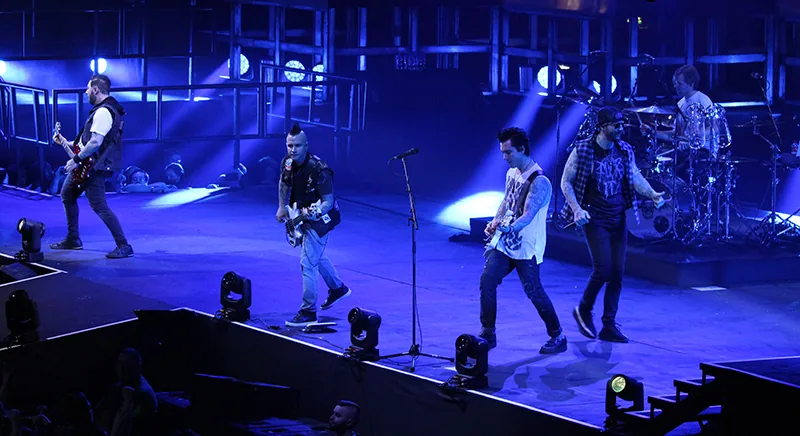
Avenged Sevenfold’s biography follows the Huntington Beach band from its early metalcore records to the ambitious arrangements of The Stage and Life Is But a Dream…. The guide distinguishes current and former members and examines how Synyster Gates and Zacky Vengeance divide and combine their guitar parts.
Hard rock and the sound of a band
Hard rock often puts the relationship between a guitar riff, a rhythm section and a singer in the foreground. A repeated figure can hold a song together while the vocal changes its meaning. The site’s AC/DC album guide offers a route into a catalog associated with that economy, while the Steven Tyler profile approaches rock through the role of a frontman.
Heavy metal and thrash
Metal includes many approaches to weight, speed and atmosphere. Follow the Ozzy Osbourne career guide for the connection between an individual singer and a larger heavy-music history. The Megadeth profile moves into thrash, where tight rhythmic articulation and sharply defined guitar parts become central to the band’s identity. Comparing those paths is a way to hear how musicians build different kinds of intensity.
Metalcore, post-hardcore and melodic heavy music
Metalcore brings metal riffing into contact with hardcore-derived rhythmic force. Post-hardcore follows another set of developments out of hardcore, often expanding the vocal range, arrangement and emotional contrasts. The terms overlap in everyday listening, and individual bands can change substantially between releases. Begin with Bullet for My Valentine, I Prevail, Escape the Fate and Pierce the Veil to explore the different careers already covered here.
Progressive metal and musical experiments
Longer forms and abrupt changes of texture can give a band more ways to organize a musical story. Avenged Sevenfold provides a case study in how that development unfolds across albums. The guitars may carry a melody together, separate into different rhythmic jobs or become part of a much larger orchestral or electronic texture. The artist guide offers specific examples and interview sources for readers who want to follow those choices.
Alternative metal and music between genres
Falling in Reverse’s history follows a band whose records move among heavy guitar, melody, rap and electronic production. The site’s Popular Monster album review and “Ronald” commentary provide two different scales of coverage, an album and an individual song. A separate Ronnie Radke book review preserves Taylor Frizzell’s response to the autobiography.
Follow the records and the players
A genre name is an entry point. Following a band through several records reveals changes in personnel, priorities and technique that a single label can hide. Start with the artist directory for career context, then use the review directory for the site’s writing about particular releases. The Guitar section offers another path through the publication for readers interested in playing and instruments.