
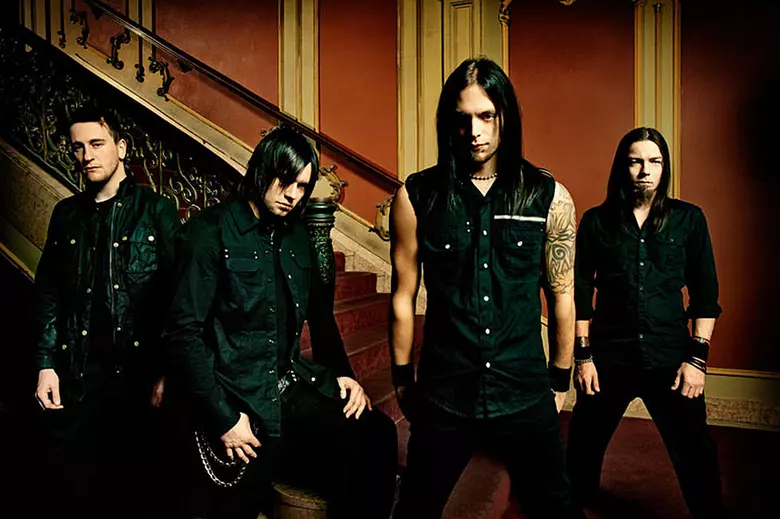
1. The Origin Story: How Bullet for My Valentine Rose from Wales to the World Stage
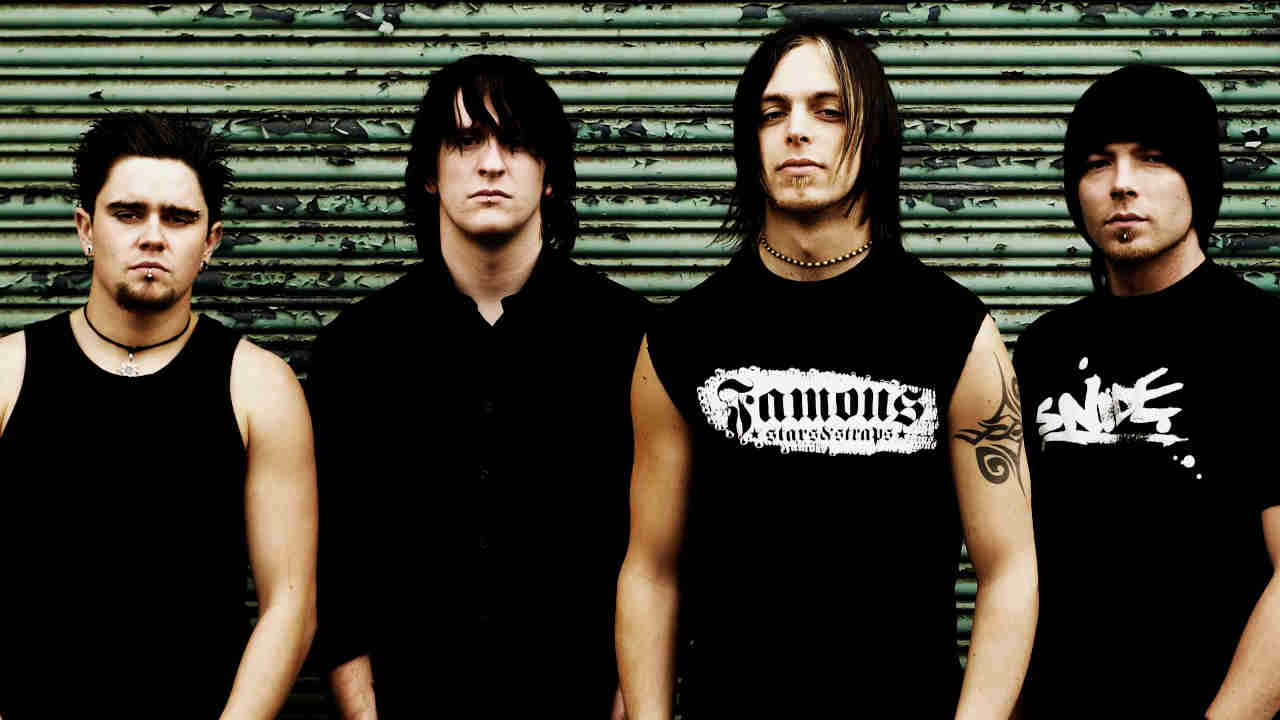
The lineup solidified around vocalist and guitarist Matt Tuck, guitarist Michael “Padge” Paget, bassist Jason James, and drummer Michael “Moose” Thomas. From the beginning, Bullet for My Valentine blended thrash-inspired riffs with melodic hooks and emotionally charged lyrics. That combination allowed Bullet for My Valentine to stand out in a crowded scene dominated by American metalcore acts.
What made Bullet for My Valentine different wasn’t just technical ability—it was intention. Even in their earliest recordings, Bullet for My Valentine showed a sharp sense of songwriting structure. Choruses were anthemic. Guitar harmonies were deliberate. Breakdowns felt earned, not forced.
As the UK metal scene gained international recognition, Bullet for My Valentine became one of its flagship exports. Their early EPs built momentum, but it was clear that something bigger was coming. The groundwork had been laid for a breakthrough that would define both the band and the metalcore era itself.
By the time their debut full-length album arrived, Bullet for My Valentine had already built a reputation as a live powerhouse. And that momentum would soon explode on a global scale.
2. The Breakthrough: The Poison and the Birth of a Metalcore Giant


From the opening riffs of “Her Voice Resides” to the unforgettable hooks of “Tears Don’t Fall,” Bullet for My Valentine delivered a debut that was aggressive yet melodic, technical yet accessible. The Poison balanced screaming verses with soaring clean choruses, creating a blueprint that countless bands would later attempt to replicate.
“Tears Don’t Fall” in particular became a signature moment for Bullet for My Valentine. The dual guitar leads, emotional vocal delivery, and explosive chorus solidified Bullet for My Valentine as more than just another heavy band. They were writing arena-ready metal anthems.
What set The Poison apart was its emotional vulnerability. Bullet for My Valentine explored heartbreak, betrayal, anger, and internal struggle in ways that resonated deeply with fans. The record connected with listeners who were navigating their own chaos.
Commercially, the album propelled Bullet for My Valentine into international tours and major festival slots. They were no longer just a UK success story—Bullet for My Valentine had arrived on the world stage.
Nearly two decades later, The Poison remains a cornerstone of the band’s identity. It is still cited as one of the defining albums of mid-2000s metalcore, and its legacy continues to influence heavy music today.
3. Evolution of Sound: From Metalcore to Melodic Heavy Metal


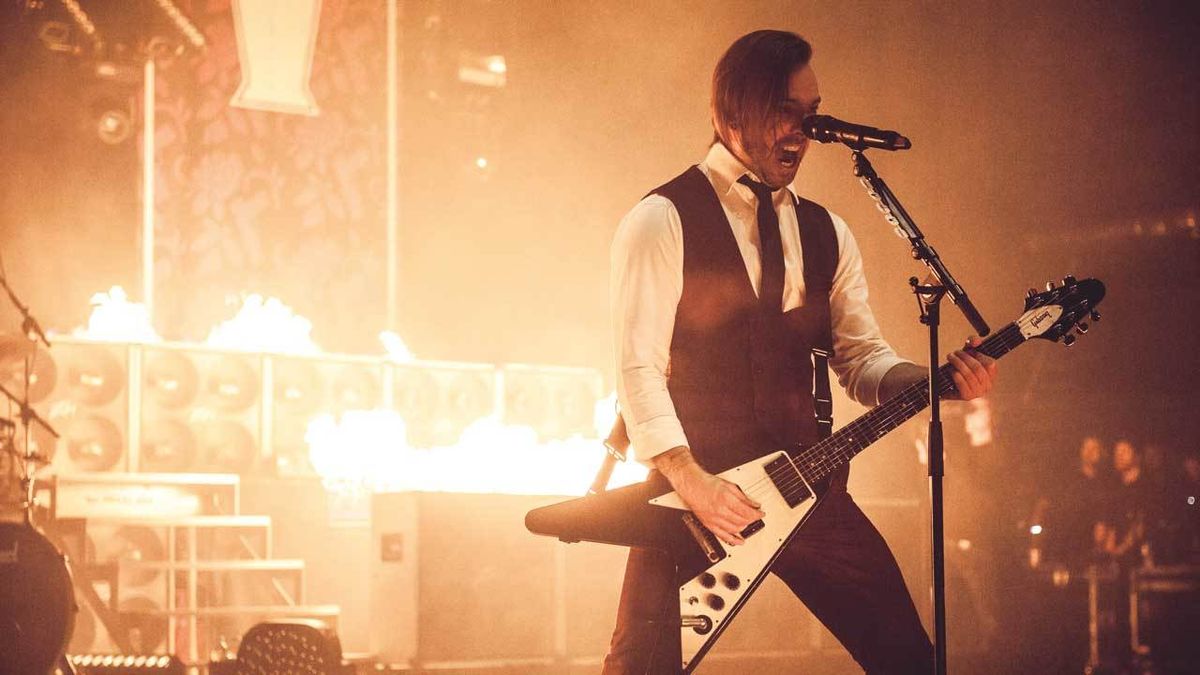
With 2008’s Scream Aim Fire, Bullet for My Valentine leaned further into thrash-inspired riffing and faster tempos. The title track showcased blistering guitar work and a more aggressive approach. While metalcore roots were still present, Bullet for My Valentine were expanding into traditional heavy metal territory.
By the time Fever arrived in 2010, Bullet for My Valentine had refined their balance between heaviness and accessibility. Tracks like “Your Betrayal” delivered radio-ready hooks without sacrificing metallic edge. The band’s evolution wasn’t about softening—it was about sharpening.
Across these albums, Bullet for My Valentine demonstrated maturity in songwriting. Structures became more deliberate. Solos felt more purposeful. Production grew cleaner and more powerful. Bullet for My Valentine were no longer newcomers—they were seasoned musicians shaping their legacy.
Fans witnessed a band willing to experiment while retaining its core identity. That willingness to evolve kept Bullet for My Valentine relevant in a scene where trends change quickly.
Rather than chasing what was popular, Bullet for My Valentine focused on building a catalog that reflected growth. Each era introduced subtle shifts in tone, aggression, and emotional depth, ensuring that the band never stagnated.
4. The Guitar Factor: Why Bullet for My Valentine Riffs Still Hit Hard
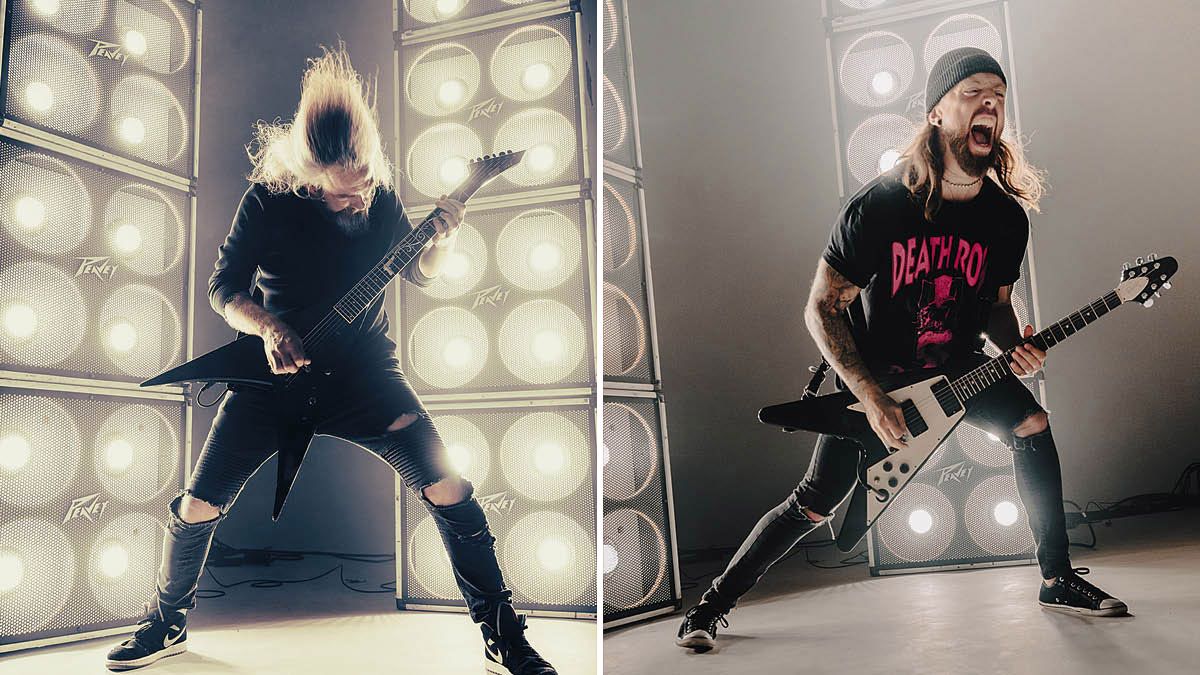
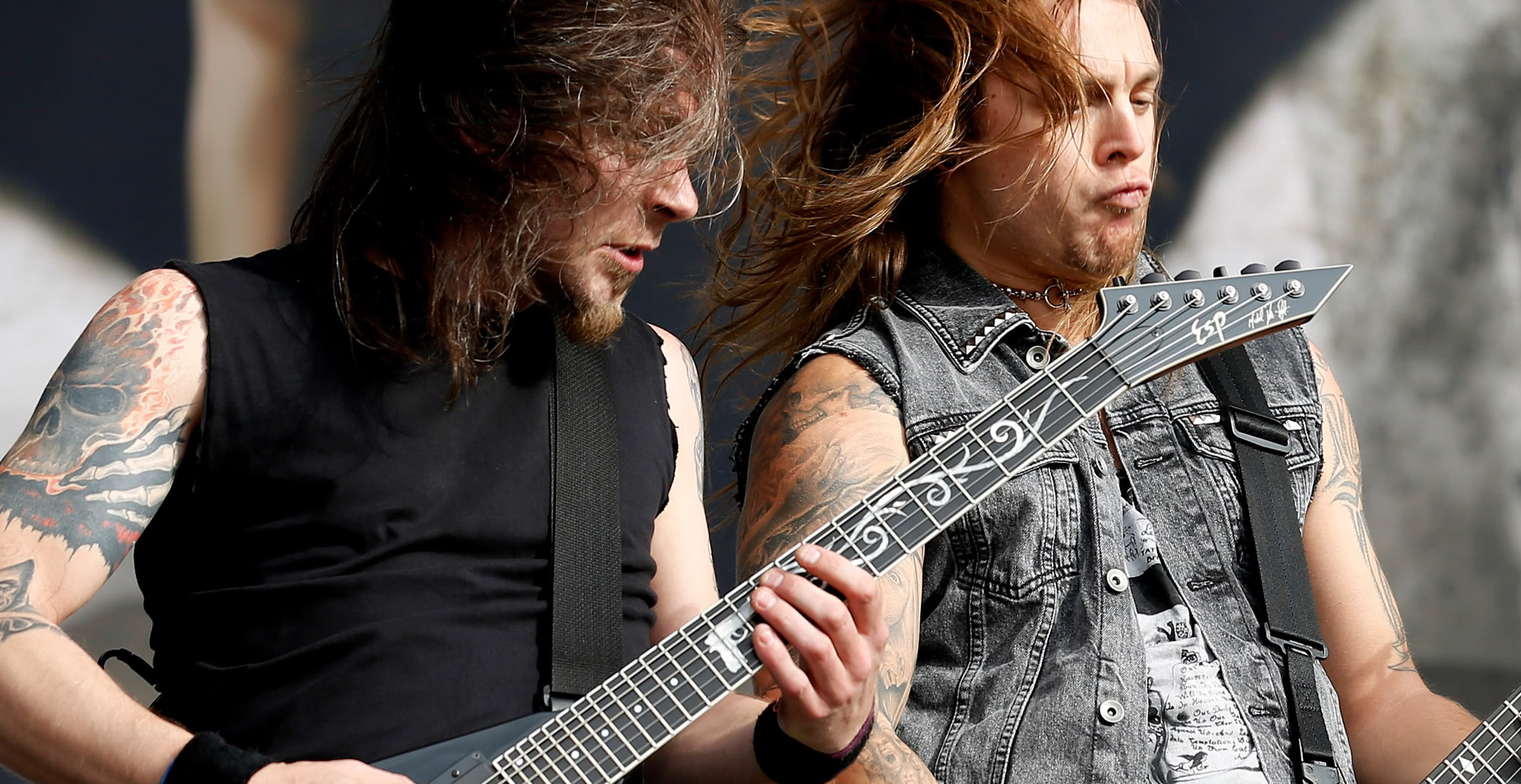
Matt Tuck and Padge developed a dual-guitar attack that blends melody with precision. Their harmonized leads recall classic heavy metal influences while maintaining modern heaviness. This combination allows Bullet for My Valentine to appeal to both traditional metal fans and newer audiences.
Solos are not afterthoughts in Bullet for My Valentine songs. They are featured moments. Whether it’s the emotional phrasing in “Tears Don’t Fall” or the speed-driven solos in Scream Aim Fire, guitar craftsmanship remains central.
Beyond technicality, Bullet for My Valentine understand dynamics. Riffs often serve the emotional arc of a song. Verses may simmer with tension before exploding into a chorus. That structural awareness elevates their material beyond simple heaviness.
Even in later albums, when production styles shifted, the guitar tone of Bullet for My Valentine remained distinct—tight, articulate, and powerful.
For guitarists especially, Bullet for My Valentine became a gateway band. Many players credit those early records as the spark that pushed them toward heavier styles.
5. Lyrical Identity: Pain, Resilience, and Catharsis
Bullet for My Valentine have always centered their music around emotional intensity. From heartbreak to internal struggle, their lyrics consistently channel raw feeling into structured aggression.
Early material explored betrayal and loss in direct, relatable language. Fans connected because Bullet for My Valentine articulated emotions that felt personal yet universal.
As the band matured, lyrical themes broadened. Later releases introduced commentary on mental health, self-doubt, and personal accountability. Rather than repeating old tropes, Bullet for My Valentine examined growth and resilience.
The blend of screamed and clean vocals also plays a role in storytelling. Aggressive passages convey rage, while melodic choruses communicate vulnerability. This dynamic contrast amplifies emotional impact.
Bullet for My Valentine have never relied on abstract obscurity. Their approach favors clarity and intensity, making their songs easy to connect with during live performances.
That emotional accessibility remains one of their strongest assets.
6. The Live Experience: Controlled Chaos and Arena Energy


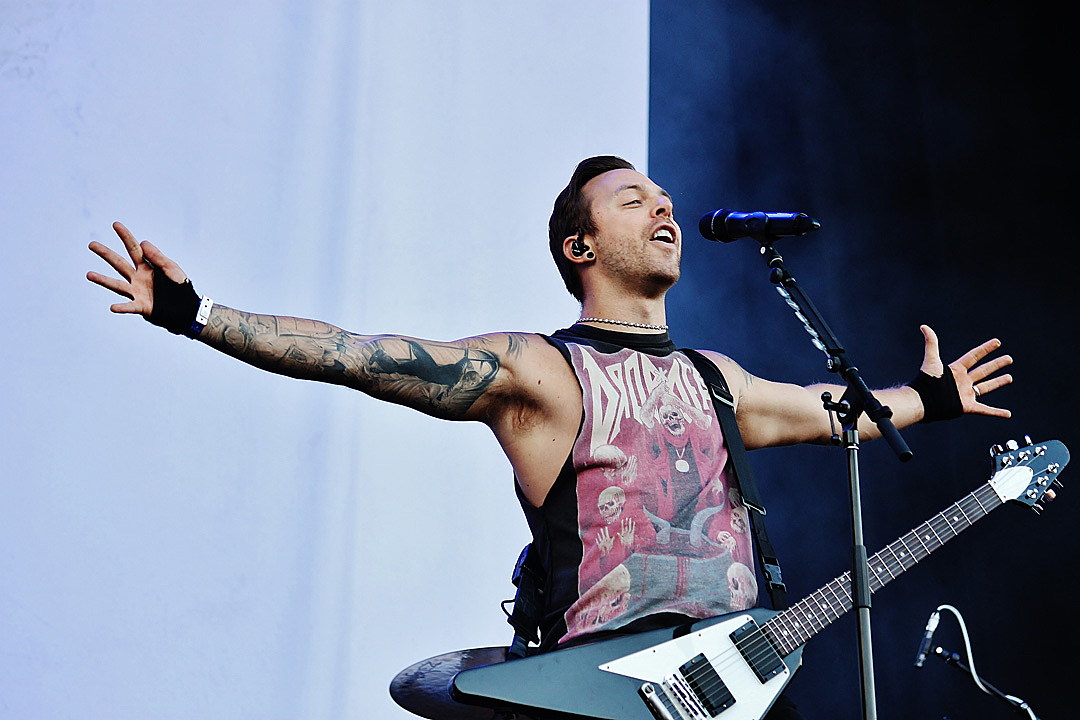
From synchronized headbanging to crowd-commanding choruses, Bullet for My Valentine understand pacing in a live setting. Setlists balance nostalgia with newer material, keeping longtime fans engaged while introducing fresh songs.
The chemistry between members is evident. Guitar interplay becomes more animated. Drum fills hit harder. Vocals feel raw and immediate.
Bullet for My Valentine built their global reputation touring relentlessly. That work ethic forged a tight performance unit capable of commanding massive festival stages.
For many fans, their first introduction to heavier music happened in a Bullet for My Valentine pit. That communal energy continues to define the band’s identity.
7. Lineup Changes and Resilience
Like many long-running metal acts, Bullet for My Valentine have faced lineup changes. Bassist Jason James departed in 2015, and drummer Moose left in 2017. Such shifts could have destabilized the band.
Instead, Bullet for My Valentine recalibrated. New members brought fresh chemistry while preserving the core songwriting voice of Matt Tuck and Padge.
These transitions marked a new era. Albums like Gravity showed experimentation with modern production and streamlined songwriting. While divisive among some fans, the record demonstrated that Bullet for My Valentine were not afraid to pivot.
Resilience has become part of their narrative. Through industry shifts and internal change, Bullet for My Valentine remain active and creatively driven.
8. The Self-Titled Reinvention: A Return to Heaviness


For longtime fans, this felt like a full-circle moment. Bullet for My Valentine embraced the intensity that first defined them while applying years of growth.
The self-titled album reaffirmed their identity in a metal landscape now filled with younger acts inspired by their early work. Rather than chasing trends, Bullet for My Valentine doubled down on heaviness.
This era proved that the band still had fire.
9. Influence on Modern Metalcore and Beyond
It’s impossible to discuss 2000s metalcore without mentioning Bullet for My Valentine. Bands across the UK and internationally cite them as foundational.
Their blend of melody and aggression created a template that others refined. Even outside strict metalcore, you can hear echoes of Bullet for My Valentine in modern hard rock and alternative metal.
They bridged classic heavy metal influence with modern production. That cross-generational appeal expanded their reach.
Today’s scene includes acts that grew up on The Poison. That generational impact cements Bullet for My Valentine as more than a moment—they are part of metal’s evolving history.
10. Why Bullet for My Valentine Still Matter Right Now
In 2026, Bullet for My Valentine are no nostalgia act. They continue to tour, release music, and connect with audiences worldwide.
Their staying power comes from adaptability, musicianship, and emotional honesty. Bullet for My Valentine understand that heavy music evolves—but authenticity remains timeless.
For fans who discovered them in the mid-2000s, the band represents youth, catharsis, and growth. For newer listeners, Bullet for My Valentine offer a gateway into melodic metal with substance.
Few bands survive two decades without losing identity. Bullet for My Valentine have done it while staying recognizably themselves.
That is why Bullet for My Valentine still dominate modern heavy music—and why their story is far from over.