
Table of Contents
Toggle1) Setting the stage: who is Noah Hicks?
Noah Hicks occupies a specific lane in modern country music—one built on lived-in storytelling rather than spectacle. Raised in Georgia and shaped by Southern culture, Hicks writes from a place that feels familiar to anyone who grew up where Friday nights mattered, reputations stuck, and memories lingered longer than people expected.
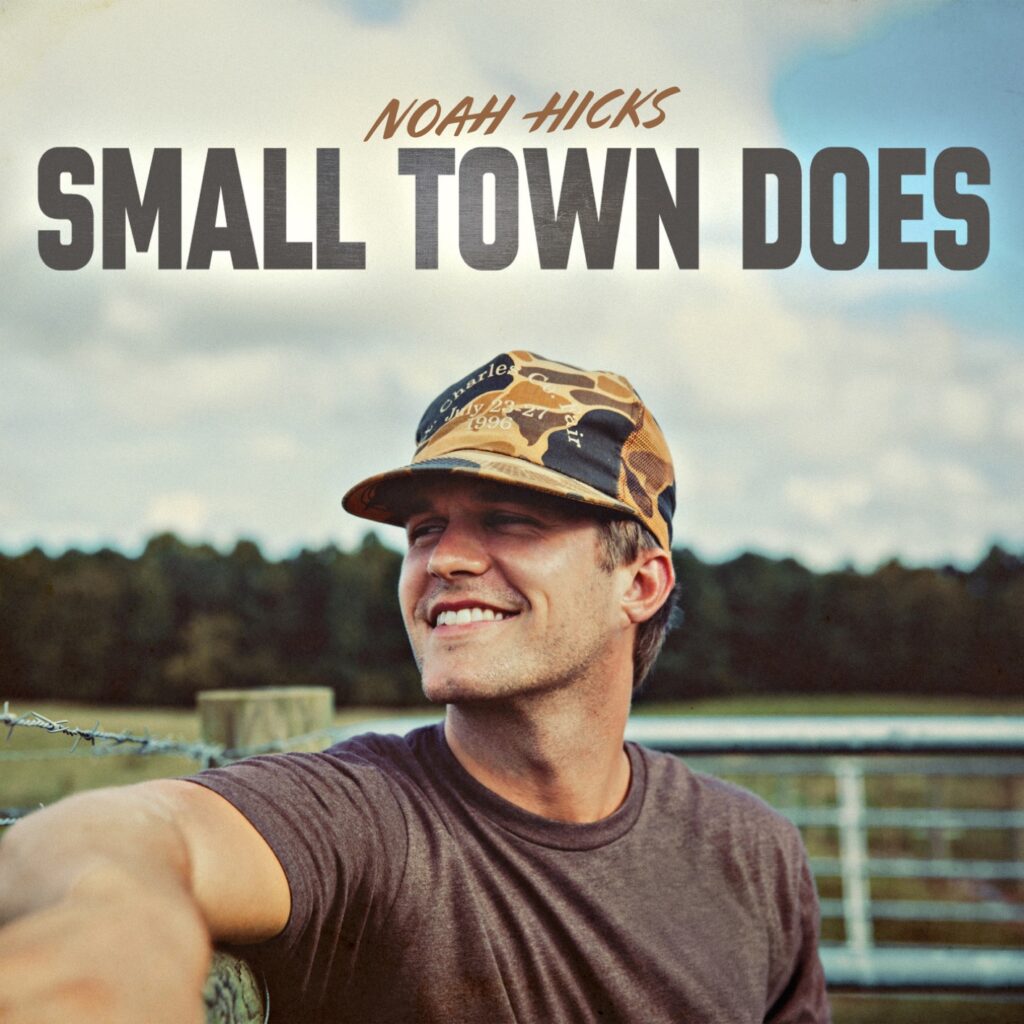
Before releasing a full-length project, Hicks earned attention through singles that leaned heavily on identity over ambition. His songs didn’t try to sound like radio hits first; they tried to sound true. That approach culminates in his album Small Town Does, a project that doesn’t just reference rural life—it examines how it shapes people long after they leave.
Understanding Noah Hicks as an artist is essential before unpacking small town does, because this album is less about chasing success and more about documenting perspective.
2) Why small town does matters right now
Country music has always loved small towns—but in recent years, the idea has often been flattened into slogans. Trucks, dirt roads, and neon signs get mentioned without context or consequence.
Small town does pushes back against that.
Instead of celebrating small towns as aesthetic backdrops, small town does explores them as emotional ecosystems. It asks harder questions:
What stays with you after you leave?
What follows you even if you don’t go back?
How much of who you are was decided before you knew you had a choice?
That’s why small town does feels timely. It doesn’t romanticize rural life blindly, nor does it tear it down. It simply tells the truth—and in modern country, that’s increasingly rare.
3) The concept behind small town does
At its core, small town does is a concept album—even if it never advertises itself that way.
The title alone suggests cause and effect. A small town does things to people. It teaches them how to love, how to fight, how to leave, and how to remember. Throughout small town does, Noah Hicks explores those effects from multiple angles: nostalgia, regret, pride, frustration, and quiet acceptance.
What makes small town does compelling is that it avoids extremes. It doesn’t argue that small towns are perfect, nor does it paint them as traps. Instead, it frames them as formative forces—places that leave fingerprints on every decision that follows.
That thematic consistency is what allows small town does to function as a full album rather than a loose collection of singles.
4) Track-by-track album review
Opening tracks: establishing the world
The opening songs on small town does immediately set tone and expectation. The arrangements are restrained, letting lyrics lead. There’s no rush to impress—only a steady invitation into the world Hicks is building.
From the first verse, small town does establishes its central thesis: the town may be physically small, but its influence is massive.
Mid-album: emotional depth and reflection
The middle stretch of small town does is where the album breathes. This is where Hicks leans into memory—relationships that shaped him, choices that still echo, and moments that never quite resolved.
Rather than relying on big choruses, small town does uses repetition as emotional reinforcement. Lines return not because they’re catchy, but because that’s how memory works. You replay certain thoughts until they lose sharpness—or gain it.
Closing tracks: acceptance over answers
The final songs on small town does don’t try to wrap everything neatly. Instead, they lean into acceptance. Some questions don’t get answers. Some towns never stop influencing you. That quiet realization is what gives the album its emotional weight.
By the time small town does ends, it feels less like finishing a record and more like finishing a conversation you weren’t ready to stop having.
5) Songwriting themes: truth without polish
The songwriting on small town does thrives on specificity. Hicks doesn’t rely on generic rural imagery; he uses behavioral details:
how people talk
how news travels
how reputations stick
how everyone remembers who you used to be
This specificity is why small town does avoids cliché. Even familiar themes feel fresh because they’re anchored in observation rather than fantasy.
Importantly, small town does doesn’t present the narrator as a hero. Hicks often places himself inside the flaws he describes, which gives the album credibility. He’s not pointing fingers—he’s acknowledging shared responsibility.
6) Production and sonic identity
From a production standpoint, small town does is intentionally understated. The arrangements favor:
warm acoustics
subtle electric textures
restrained percussion
minimal but effective builds
Nothing on small town does feels over-produced. The mix leaves space for the vocal to carry meaning, which is essential for an album so dependent on lyrical nuance.
That choice reinforces the album’s message: small town does isn’t about polish—it’s about presence.
7) Vocals, delivery, and emotional credibility
Noah Hicks’ vocal performance on small town does is defined by control. He rarely oversings. Instead, he lets emotion live in phrasing and timing.
This matters because small town does deals with subtle feelings—regret, nostalgia, resignation. Big vocal theatrics would undermine those emotions. Hicks understands when to pull back, when to lean in, and when to let silence speak.
The result is a vocal performance that feels honest rather than impressive—and that honesty is the album’s greatest strength.
8) Where small town does fits in modern country
In the current country landscape, small town does occupies a space between mainstream radio and Americana. It’s accessible without being diluted, and traditional without being nostalgic.
Small town does will resonate most with listeners who value:
-
story-driven songwriting
-
albums over playlists
-
emotional truth over trend alignment
That positioning may limit its viral reach—but it strengthens its long-term relevance.
9) Standout moments and lyrical highlights
Several moments on small town does stand out not because they’re flashy, but because they’re accurate. Lines land harder when listeners recognize themselves in them.
That’s the quiet power of small town does: it doesn’t demand attention—it earns it.
10) Criticisms and limitations (keeping it honest)
To be fair, small town does won’t be for everyone.
Listeners seeking high-energy anthems or radio-ready hooks may find the album too restrained. The commitment to subtlety occasionally slows momentum, especially for those accustomed to immediate payoff.
However, these limitations are also deliberate choices. Small town does prioritizes cohesion and honesty over mass appeal—and that tradeoff feels intentional rather than accidental.
11) Who this album is really for
Small town does is for:
-
people who left home and still think about it
-
people who stayed and wonder what might’ve been
-
listeners who value albums as complete statements
-
fans of modern country rooted in storytelling
If you’ve ever felt shaped by where you’re from, small town does will feel personal.
12) Final verdict: why small town does lasts
At the end of the day, small town does succeeds because it understands its mission. It doesn’t try to redefine country music—it simply tells the truth within it.
That honesty gives small town does longevity. Trends will shift. Sounds will change. But albums grounded in lived experience tend to age well.
For Noah Hicks, small town does isn’t just a debut-level statement it’s a foundation.